
Hunter’s Top Games of 2025
Congratulations, dear reader. You’ve won another top ten list. Merry Christmas and all that. 2025 was a year in video games that I don’t think I was expecting to go as hard as it did. But bit by bit more and more absolutely stellar games kept coming out. I put up a valiant effort to stay on top of as many games as I could, but even then some slipped through the cracks. But I’m not here to moan about how I never made time for Urban Myth Dissolution Center, I’m here to talk about the games I did play. So let’s get to it, here are my ten favorite games to come out in 2026.
10: Donkey Kong Bananza
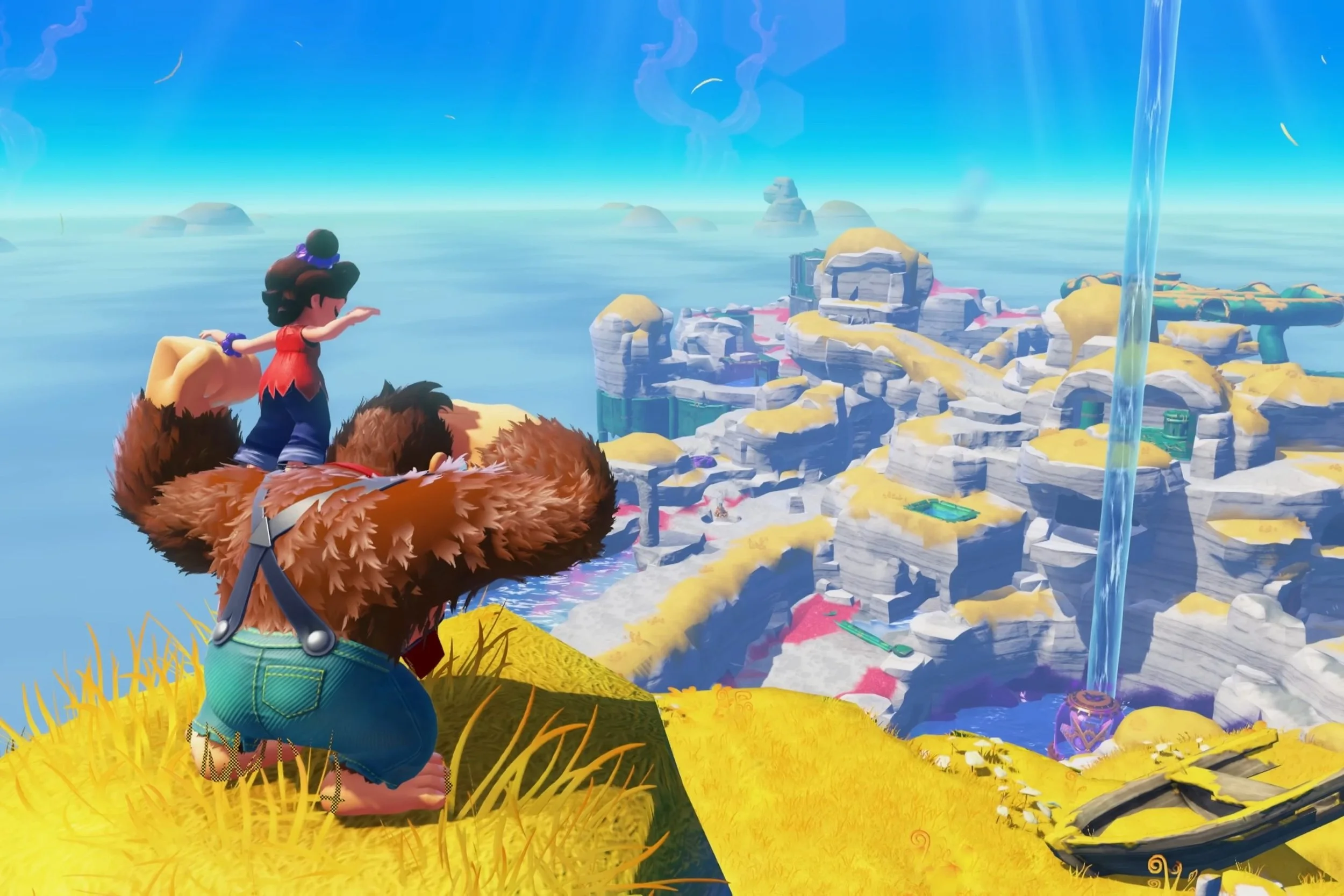
Image Credit: Nintendo
It really speaks to the sheer magnitude of quality games I played this year that Donkey Kong: Bananza is only at number ten. This game was built with one idea in mind: Monkey break everything. I get a very primal satisfaction from the destruction in this game. It was a common occurrence for me to be trying to accomplish one of the goals in the level, only to be side tracked by punching a tunnel to nowhere. And more often than not, my directionless punching would still be rewarded with some fossils or even a banana if I was lucky. On top of being able to punch everything under the sun, Donkey Kong feels great to move around with. Climbing is fast and enjoyable. Rolling into a jump, into another roll was a very enjoyable way to get around. The Bananzas that you unlock also provide fun alternate ways to engage with the world, either through movement or destruction. Overall the mechanics of the game really set the table for you to be able to create your own fun within a few minutes of being in a level.
I think where Donkey Kong Bananza falters a little bit is in the pacing and overall level design. In general I think most of the worlds could stand to be about 30 percent smaller than they are. After a while I started to notice that once I had my fun punching up, down, and around the parts of the levels that I found enticing, the game wasn’t very good at getting me back for the rest of what they wanted me to do. The guided tour of the levels that the game’s story path would give me rarely felt like they were showing me something I didn’t already know. And in the middle portion of the game, many of the levels outstayed their welcome by various degrees.
There’s still a lot to like about the game though. The highs are really high. The artstyle is great. I love the designs for Donkey Kong and Pauline. I think Void Kong is the first decent villain the series has had since K.Rool. And the music absolutely rules. Also prophesied that this game would be announced at the Switch 2 direct and Ethan had a very normal reaction to it.
9: Blue Prince
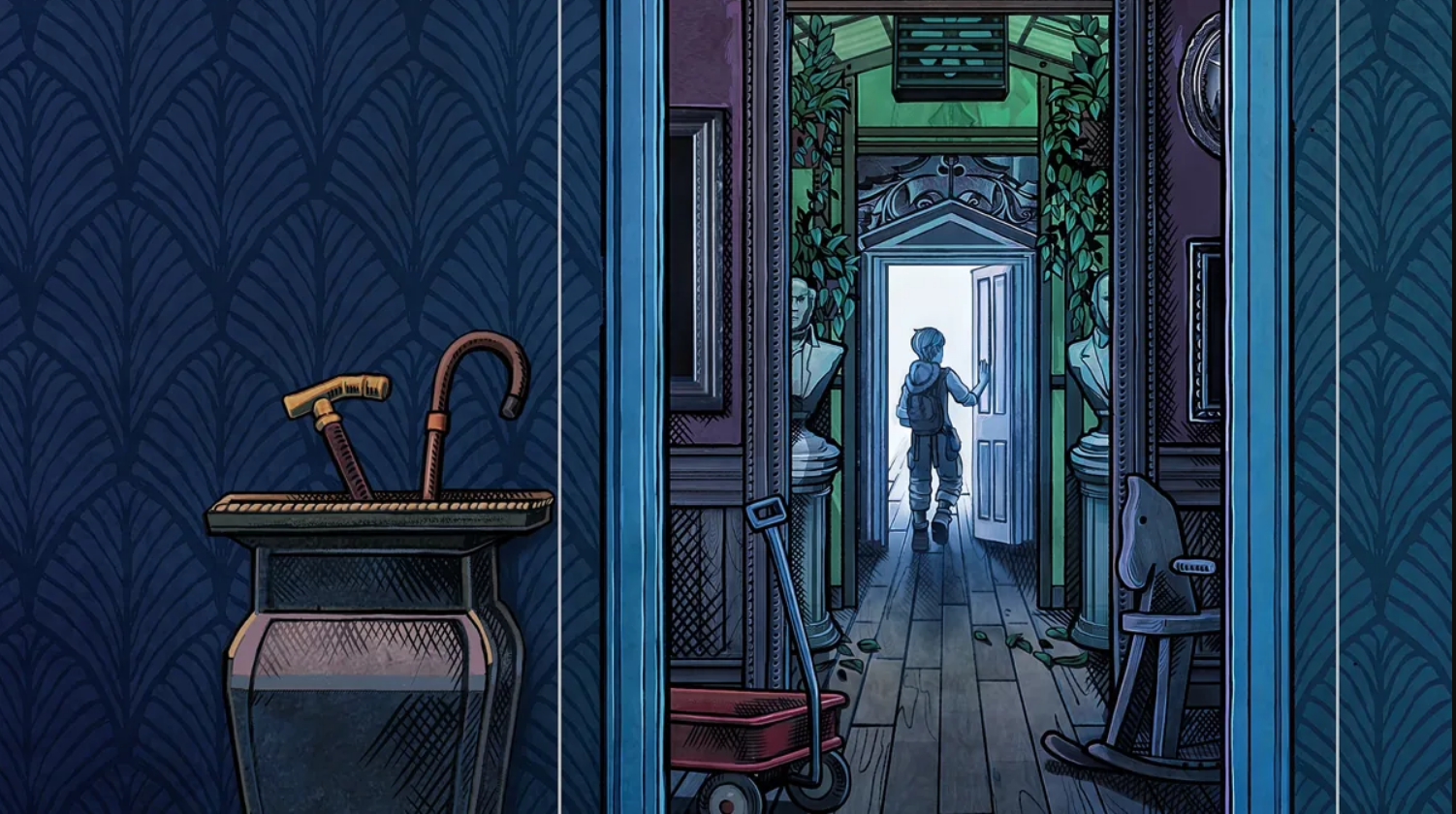
Image Credit: Dogubomb, Raw Fury
I have to applaud Blue Prince for being so solid at the conceptual level. Roguelikes have become a pretty saturated genre in the past few years so it is genuinely impressive when one comes along that is not only well executed, but brings something new to the table. The premise is fairly simple. Simon’s uncle has just passed away and willed his mansion and other possessions to Simon. However, there is a condition. Simon must navigate the ever shifting rooms of the estate to find the hidden 46th room in this 45 room mansion. Blue Prince uses the roguelike structure as a vehicle for puzzle challenges in a melding of genres that I don’t recall seeing before.
It does a great job at outlining the goal in a way that makes repeated attempts very tantalizing when you have to start over. Almost every run will provide you with some kernel of knowledge: Be it the solution to one of the puzzles, or simply how certain rooms work. You don’t even really have to engage with that many of the puzzles in the rooms to move on either. The plate spinning you have to do between the resources of keys, gems and money is really engaging. You need keys to open the doors, but you need gems to draft rooms that will actually take you anywhere. And money can buy you any number of boosts that you might need later in the run.
I think one of this game's biggest strengths is giving you the tools to feel like you’ve outsmarted it. Only to then come back around and make you realize it's not going to be that easy. It's a glorious tug of war between feeling like a complete buffoon on one attempt and then feeling like you are the smartest guy in the room and that this run is surely going to be the one where you finally succeed on the following attempt. And hey, if you can’t get enough of the Blue Prince brain tickles, there’s apparently six games worth of stuff to do after you find room 46.
8: Doom: The Dark Ages
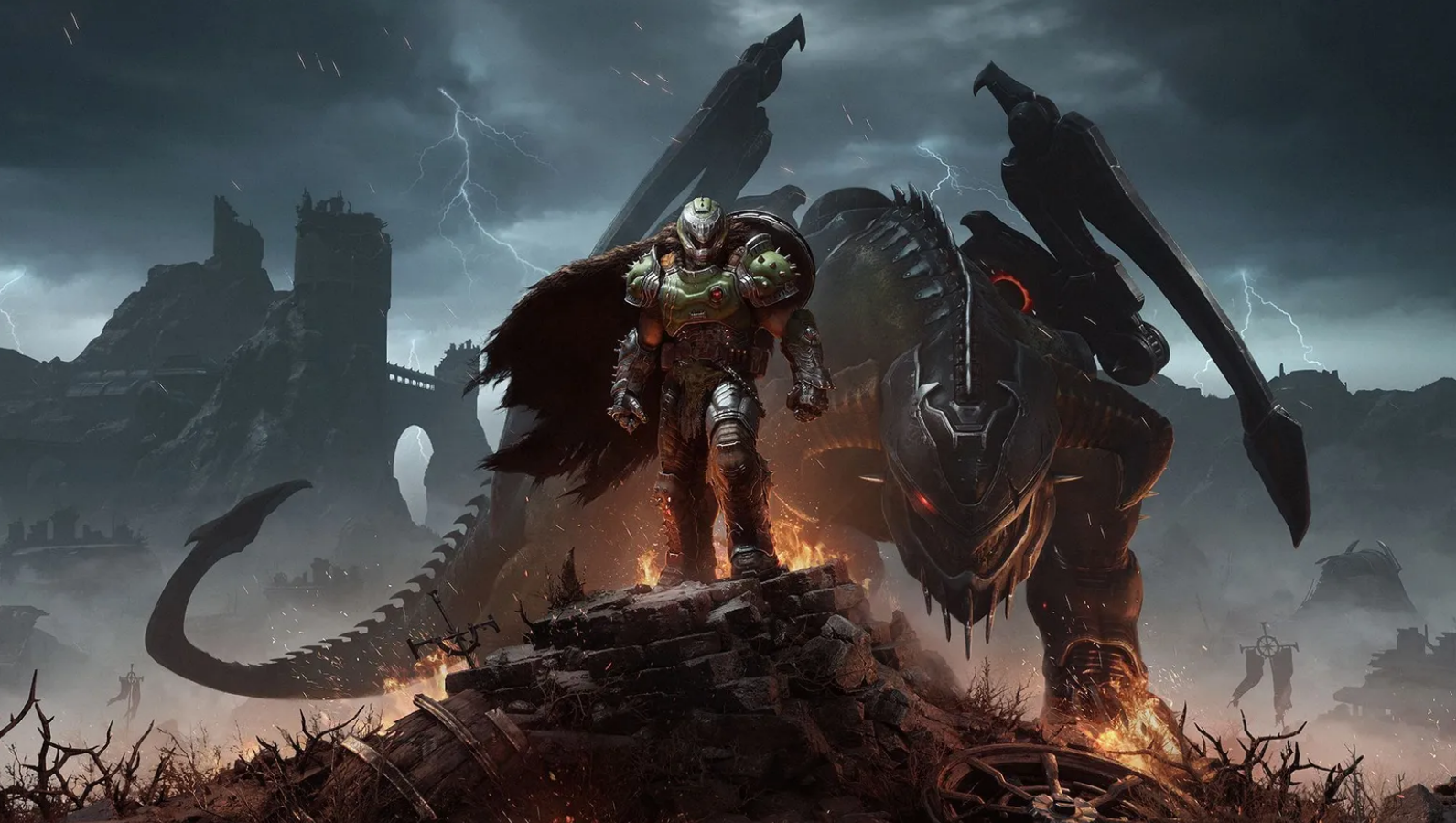
Image Credit: Id Software, Bethesda
Rip and tear in another brand new way. Doom: The Dark Ages sets out to put you in the shoes of the Doomslayer at the height of his demon slaying boogeyman powers. I think it succeeds at that goal quite swimmingly. One way they manage to pull this off is by turning the number of enemies on screen up pretty drastically. There’s still about the same number of meaningful enemies in most encounters as the previous games, but the battlefield is also littered with fodder enemies that have various bonuses for killing them. I enjoyed this approach to things. It provided the visceral satisfaction of making a line of shield demons die in quick succession while never devolving into being mindless.
I enjoyed all of the new weapons in this game. The buzzsaw shield is the star of the show. It’s the most versatile weapon by far. It can be used to kill stray fodder enemies without using any ammo, stun larger enemies, parry specific attacks and follow up with a cool counter, and it has this pretty great rush move that crashes the Doomslayer into whatever he’s targeting. That rush down move is great for closing the distance between you and an enemy on the other end of the screen. The game also introduces runes to buff the shield as you play. I think my favorite was the knife swarm.
The other weapons were also pretty great. The way they divided the guns into classes and then gave you two of each class did wonders to make the entire selection more digestible. It also really helps you understand the different use cases for each weapon, even if they have similar properties to their companion gun. The best example of this would be with two of my favorite guns: The Pulveriser and the Ravager. These are the two skull shrapnel guns. They both look metal as all get out, and have an absolutely ridiculous rate of fire. The key difference between them is that the Pulveriser shoots its shrapnel in a wide arc, making it better for crowd control. The Ravager’s shrapnel is a more narrowed and focused kind of shot, making it great for taking down the larger enemies. My other favorite gun was the Super Shotgun. Few things in life are more satisfying than melting a mini-boss level enemy with a few blasts from the Super Shotgun.
Overall, Doom: The Dark Ages was just really well put together. The more open air level design was really complimentary to the number of enemies each combat encounter was throwing at me. The story provided a number of cool scenarios that allowed the Doomslayer to do his thing. And the more free flowing pace of the gameplay gave me plenty of room to experiment and find my favorite tools at my own pace.
7: Shinobi: Art Of Vengeance
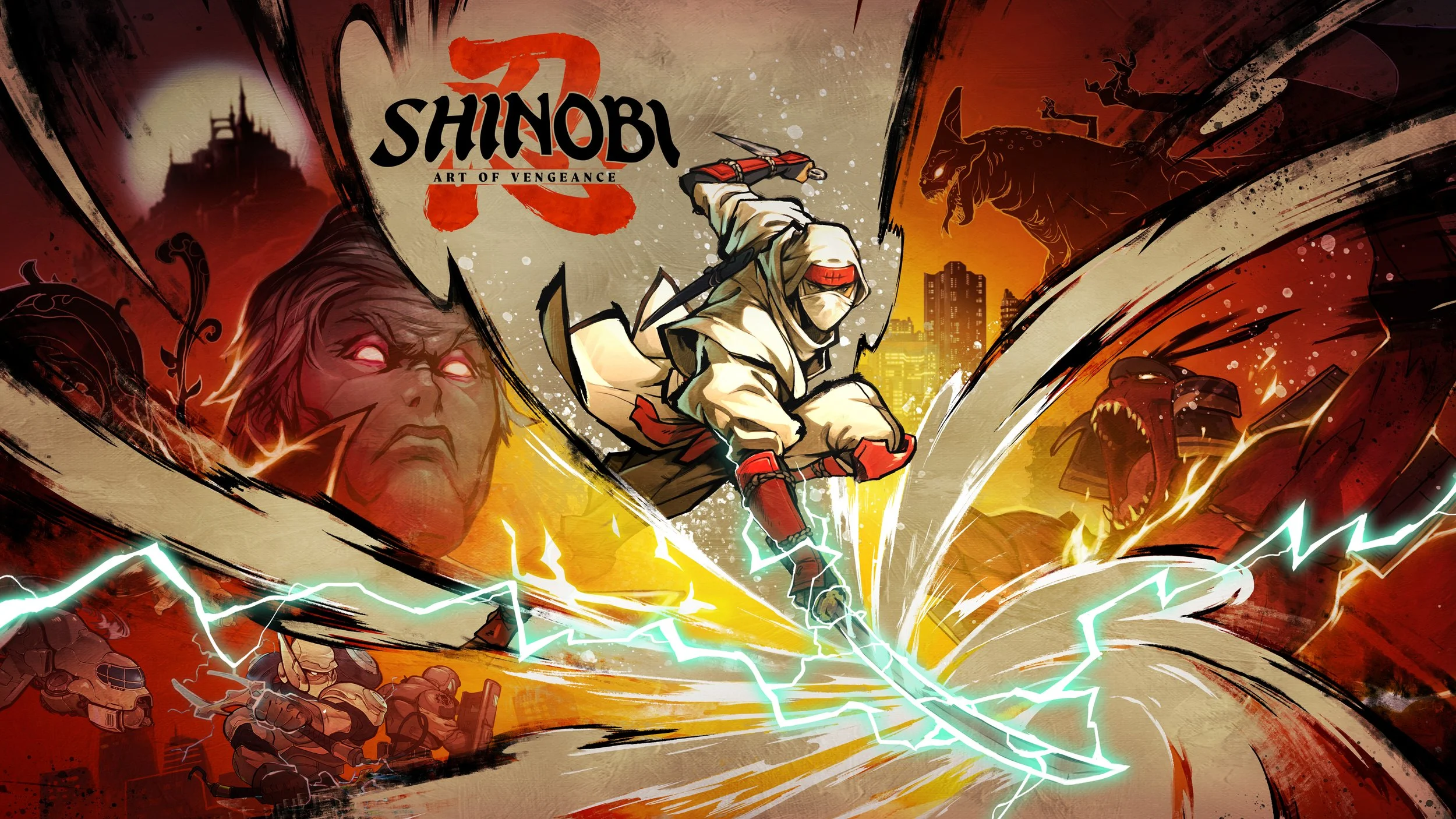
Image Credit: Sega, Lizard Cube
This is my first Shinobi game. What a first impression. Shinobi: Art Of Vengeance rules. It's got very enjoyable combat, a great art style, and stellar music. Shinobi is a 2D action platformer. It’s mission based but it has a non linear structure within those missions. I was never seeking out any of the extra enemy encounters or platforming challenges, but I was always compelled to do them when I came across them. I really enjoyed the sense of progression and gravitas in the level design. One early example that I really liked was the lantern festival level. This one had you jumping across scaffoldings, rooftops, and parade floats. All while a vibrant fireworks show is happening in the background. It was a visual delight.
The real selling point of Art Of Vengeance is its combat. The game does a great job to make it feel satisfying at all levels of play. From the beginning you can do this immensely satisfying one-two swing with the heavy attack. The feedback on that move alone is enough to set off my silly lizard brain. But then it just keeps compounding with more unlockable moves that also feel great to pull off. The light attack combos you can do shred through enemies as you perform them. If you hit an enemy enough you will stun them which leads to being opened up for a flashy execution. The more you attack without getting hit the more you generate meter for your Ninpo, which are various special moves you can select. And the enemies are varied enough that you have to move around the battle field with some level of intent rather than just mashing buttons willy-nilly.
All of the pieces of the combat really feed into one another. I think one of the best things this game pulled off with the combat was organically getting me to change up how I was playing. At the start I had a simple but effective gameplay: Double heavy attack into a stagger and then do an execution. As I progressed through the game I started doing other things like : Dodge into that crazy spin combo you can do out of the dodge animation and then a light attack combo. Or one of the many other combo paths I had at my disposal. My original heavy attack into an execution method didn’t really ever become less viable; it was just that everything else at my disposal was equally as viable. Which I think is the best way to avoid the classic critique of “ Sure you can do a million moves but why would you when the standard three hit combo is the most effective.” If you get bored because you are doing the same thing over and over in this game, it's on you. The game provides an exquisite number of different and effective options for handling each situation they throw at you. By the time that I hit the end of the game I no longer really had a combo I fell back on, I’d just kind of press buttons and see where the next attack took me. One thing is for sure, if the rest of Sega’s franchise revival games are anywhere near as good as Shinobi: Art Of Vengeance is, they’ve got a collection of winners on their hands.
6: Hollow Knight: Silksong
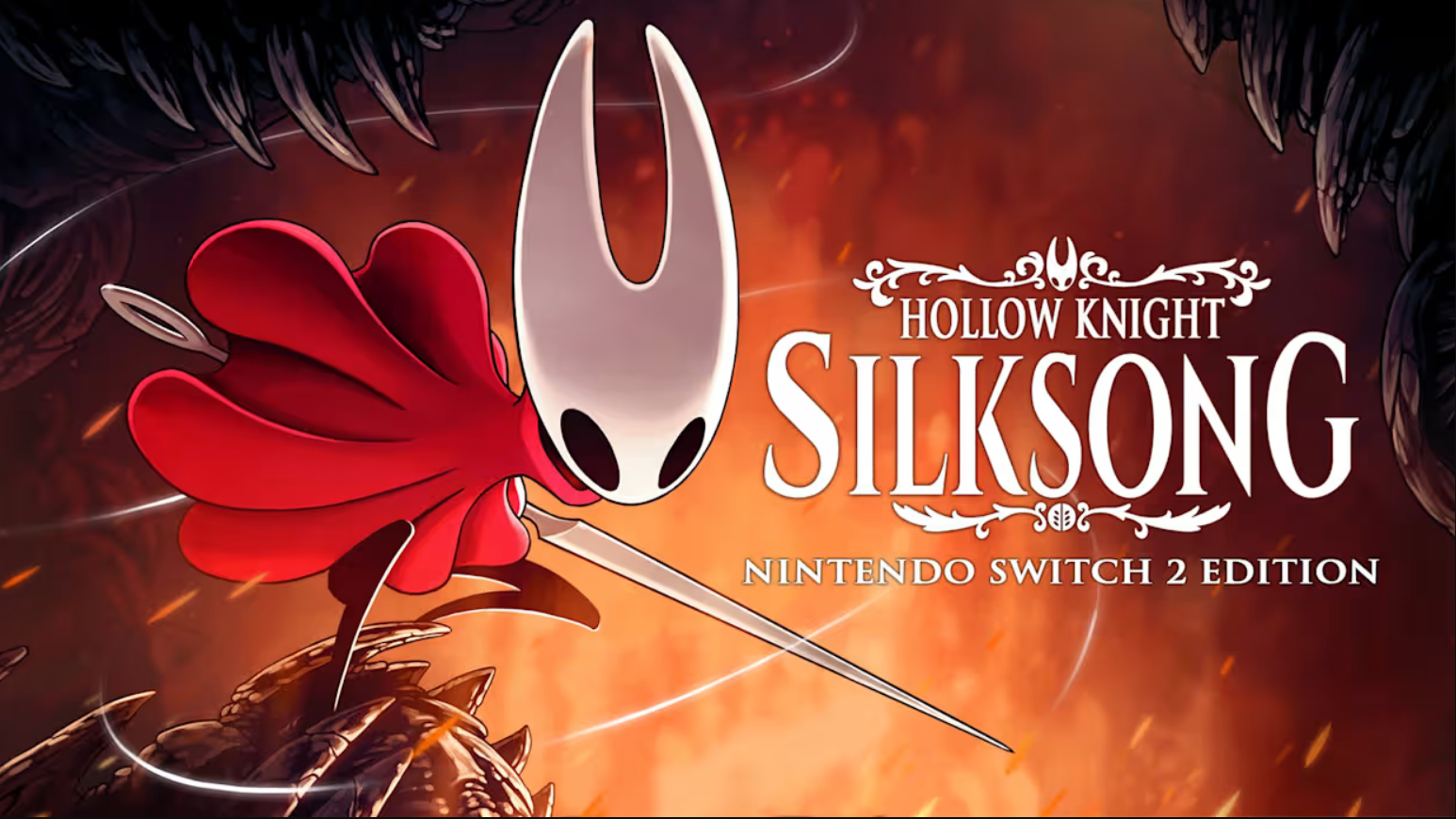
Image Credit: Team Cherry
I think Hollow Knight: Silksong is pretty stellar. The game starts off with Hornet being carted off to Timbuktu by a band of miscreants. Her silk powers kick in and destroy the bridge they were passing over, thus sending everyone plummeting. Hornet comes to discover that she is in the kingdom of Pharloom. After pondering why someone would want to capture her in the first place she decides its best to deal with the problem at the source. So she begins to make her way across Pharloom and up to the Grand Citadel.
I appreciate that Silksong sets up the goal of the game right from the outset. It serves as a way to anchor all of the exploration that you’ll be doing. If you are lost in an area or can’t find a way to move forward, chances are you’ll find some semblance of story progression if you can manage to go up. Having that North Star ,so to speak, made me more inclined to go off and explore the other areas I was finding. I knew it’d be fairly easy to get back on track and more often than not I was rewarded with something pretty helpful.
Not to mention the wonderful way they brought Pharloom to life. I definitely remember more of the NPCs in this game than I do the first. Of course you’ve got the two crowd favorites with Sherma and Shakra. I’m not bucking the trend, these two are also my favorites. But then there are the others that really stuck to me. Characters like Pavo from Bellhart, the Pinmaster, and the couriers all stick in my head months after finishing the game. I think it helps that many of them are going on their own journeys concurrent to the one that Hornet is on. So it's really interesting to see how they change throughout the story or how our perception of them changes.
Broadly speaking, I think Silksong’s gameplay is a marked improvement from the first game. Playing well really let me feel as cool as Hornet seemed when she was giving me the business back in the first Hollow Knight. The badges help you tune certain aspects of your set up to be more to your liking and I really enjoyed the way the crests would switch up your moveset. Tools were probably the most underutilized part of my kit. I spent a lot of the game playing as Hornet the needle master, and nothing else. Big mistake on my part. If I had been fully utilizing the tools more often I probably would have saved myself a couple of headaches. A lot of the boss fights in this game rule. I think Lace and Widow are my favorites. They follow the typical pattern of “Oh wow, this seems impossible” and then you try again and you find the pattern. And then you try a few more times and exploit the pattern. All good and very satisfying stuff.
I know that the subject of difficulty is a big sticking point for some people in this game. For the most part, I was never left feeling too defeated. Sure, there were a couple of spots that annoyed me. Hi Moorefly. Hi Bilewater. But overall I was willing to rise to the challenge. That being said, I started to see the seams in the game’s approach to difficulty by the time I reached the end of my playthrough. Let me try to illustrate my point. Most bosses will hit you for two masks of damage. That’s how it is at the beginning and that’s mostly true up through the end. At least for the standard ending. But then there are also just enemies out and about that will sometimes hit you for two damage. This can happen as early as the second area and will still be happening by the time you’ve made it to the Citadel. There’s not really a sense of escalation to how hard things are. The game is just always at an eleven. Like I said, it didn’t really hamper my enjoyment of the game but I feel like people get so bogged down in either “Game hard therefore bad” or “Get good, loser.” that very few people have actually discussed the ways in which the game approaches being difficult.
All in all Hollow Knight: Silksong does great work to build on the foundations of the first game. All while bringing a brand new setting to life in excellent fashion, and providing moments and boss fights across the board that I will be thinking about for years to come.
5: Wanderstop
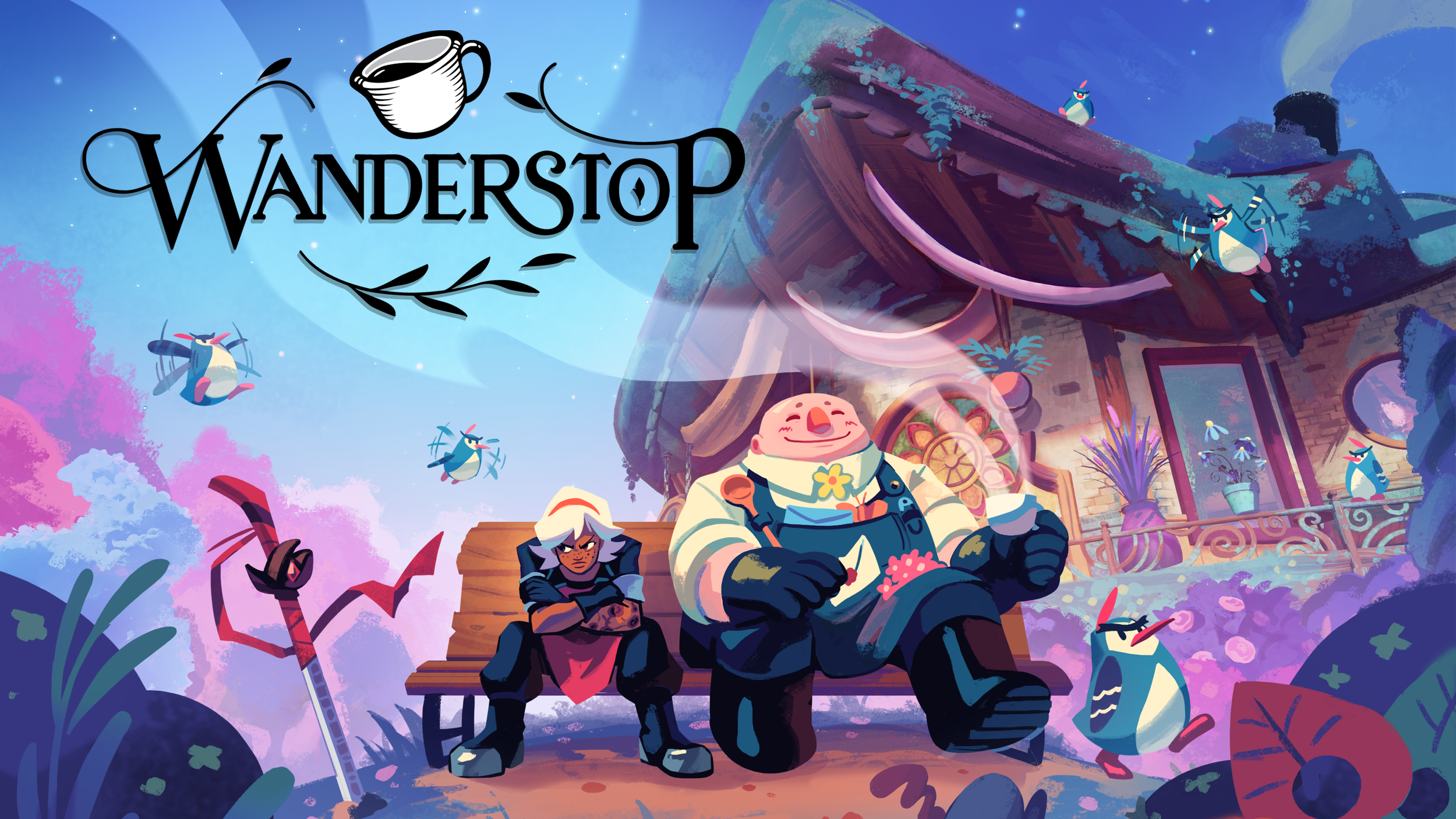
Image Credit: Ivy Road, Annapurna
Wanderstop was a great way to start off my year. It is certainly one of the more meditative games I have played this year. It’s a drink serving management type of game so the tasks are all relatively low stakes. Unlike something like Coffee Talk where you just select the ingredients from the shelf to make to drink, Wanderstop has you physically move to harvest and plant the ingredients. Once you’ve grabbed your ingredients you toss them all into the Dr. Suess-esque teapot apparatus to brew the drink. That description of the process is fairly abridged.
All of the tasks surrounding your drink making are simple but effective. Gardening comes down to planting you different seed types in certain configurations to get either more seeds or fruit. The fruits you get all inspire different feelings when you drink the tea that they are mixed into. Decorating is a simple matter of taking your plants and putting them in pots and placing them around the shop in a manner that you find pleasing to the eyes. There are also a number of photos that can be framed. The drink making process as I described, was a matter of tossing your ingredients into the tea apparatus and heating it up. Once you’ve made the tea the various combinations of ingredients trigger different types of introspection from Alta. I think that was a pretty clever way to get you to experiment with the different fruits on your own accord rather than just trying to figure it out when a customer asks for it.
The gameplay in Wanderstop perfectly compliments the story. Alta is a professional fighter who has recently suffered a crushing defeat and her body just kind of shut down while she was trying to train herself back up to top form. I think this game pretty deftly hits a number of themes that are really resonant. Alta’s whole character arc is about fighting back against toxic ambition. One of the core questions of the game is “Does what you do define who you are?” which broaches the follow up question of “Who are you if you can’t do what defines you?”
There’s a conversation that happens at the start of the third act that really stuck with me. Boro takes notice of something in the forest that indicates that Alta’s time in the clearing will be over soon. Alta’s relieved at first but then starts asking questions like “ How do I know if I’m fixed?” and “What am I supposed to do right now?” and Boro just responds by saying to do what they’ve been doing: Clean the shop, gather the ingredients,maybe even make a cup of tea. Do what fulfills you. Take in the joys of existing. And do it whether you have an hour or a lifetime.
4: Silent Hill F

Image Credit: Konami
Oh doctor, it's a good time to be a Silent Hill fan. Two years in a row this series has kicked the doors in for a good time. Silent Hill F is a pretty big departure for the series in a lot of ways. It takes place in a completely new setting and time period and has a fairly different approach to gameplay. In spite of the new approach to story and gameplay, I think Silent Hill F does a great job at capturing the spirit of the series.
The big departure in Silent Hill F gameplay wise is that you only have access to melee weapons. You get the standard sort of light attack and heavy attack and the weapons have a durability meter. This goes pretty far as a way to balance things. If this were any other Silent Hill game with a steel pipe that lasts forever, being stuck with only melee options wouldn’t really seem like that tall of an order. The game does a good job to balance itself around the rules that it establishes. I was always coming across enough weapons to feel like I had a way out to deal with a situation. But they were spread out enough to make me sweat after a while. I never really felt comfortable, but I never felt kneecapped either.
The Dark Shrine segments change the rules a little bit. Typically these areas would be more puzzle focused, but the enemies would also respawn. The trade off for this is that your weapons while you are in the shrine would have infinite durability. You have to deal with the threats more often but you are given the tools to make the task fair.
The level design in Silent Hill F is where it really excels. I thoroughly enjoyed any time that the game gave me a spot in town to get to and left me to figure out how to get there. I really enjoyed the steps of navigating through the streets of town, finding a pothole the size of Finnland, and having to pick a new route. It was never as straightforward as I would try to make, but I would usually come across a new weapon or health supplies for my troubles. The cramped alleyways of Ebisugaoka did wonders to narrow down your pathways and force confrontation.
I really enjoyed the story that was being told in Silent Hill F. The concurrent threads of what was happening in town and what was going on in the Dark Shrine was a great bit of plate spinning. I do think that it doesn’t quite pay off when they intersect in the end but I still liked what each part was doing for the most part. I think a lot of that can be attributed to how good of a protagonist Hinako is. Much like the rest of the main characters in the series, Hinako has issues. The thing that makes Hinako unique is that her issues as a teenage girl in 1960s Japan are pretty different from a middle aged man in a contemporary New England setting. Hinako’s arc is all about exploring her role in the society of that time period and how she’s supposed to cope with the expectations laid in front of her. It’s a really great arc and an excellent character study to serve as the throughline of the story.
One last thing I want to commend this game on is its art direction. Naturally, it's pretty good. But what I want to point out specifically is how it managed to be specced from a pure fidelity standpoint pretty observably below the Silent Hill 2 Remake. Why is this a compliment? Because at the end of the day it didn’t matter that Silent Hill 2 had nicer looking character models, both games look equally as cool for different reasons. So often in games today developers chase being at the highest tech possible in the name of having something to slap on the box. This game believed in its vision for the presentation and executed on it without having to chase any of the extra bells and whistles. And I think that’s deserving of an extra thumbs up.
3. Death Stranding 2: On The Beach
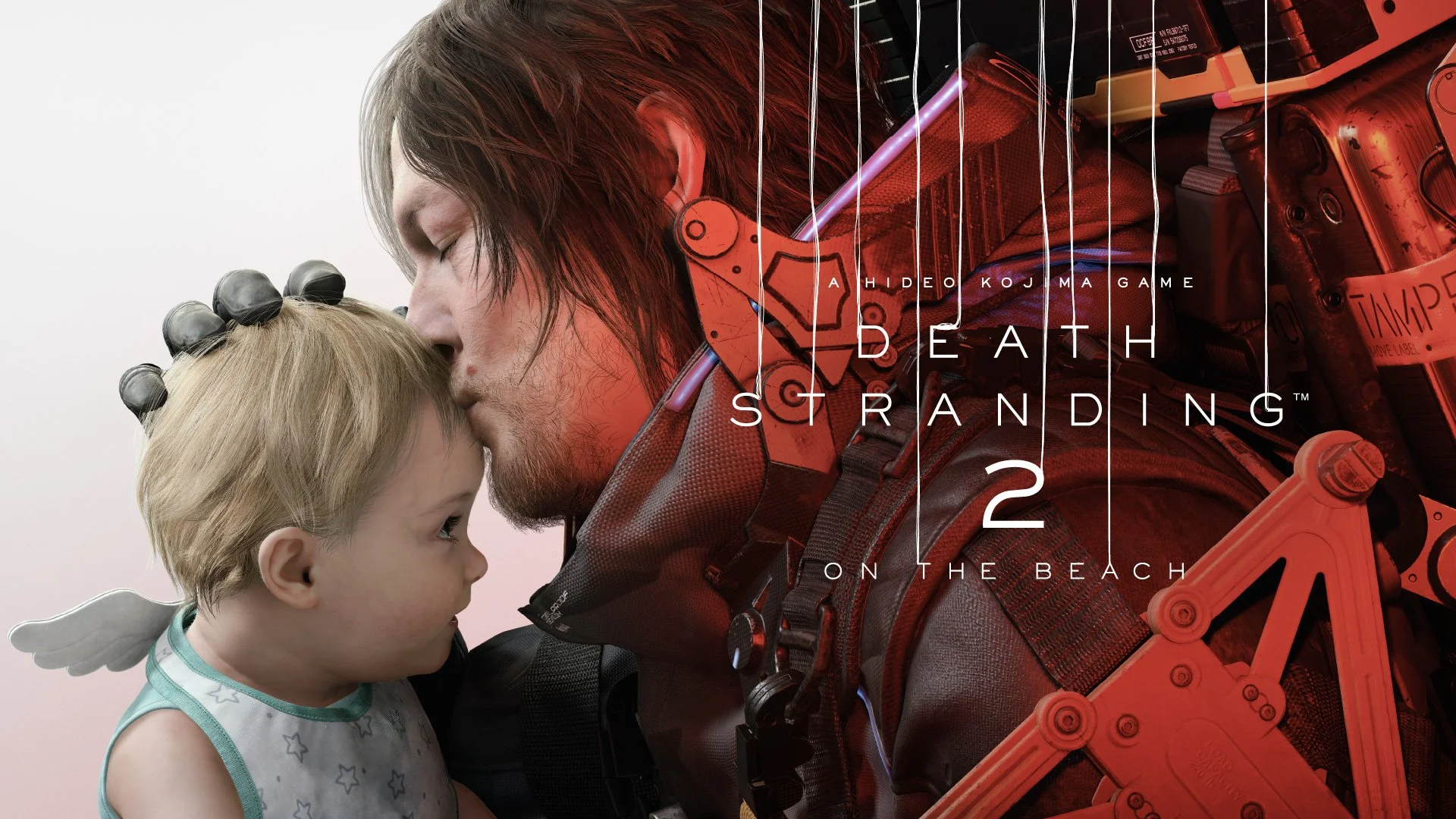
Image Credit: Kojima Productions, Playstation
Death Standing 2 falls into the category of “Thing I never really thought to ask for.” In 2019 when I finished the first game, I don’t think I was really expecting or asking for a follow up. So much so that I still barely processed that the game was coming by the time it had released. I’m definitely not going to complain now that it’s here though.
The general gameplay loop of Death Stranding 2 is the same as the first game. You are on a new continent travelling from outpost to outpost delivering packages and helping people shut off from the rest of the world come together. It is a lot easier to get your footing in Death Stranding 2. It was almost like I never forgot how to play after a bit of nudging. The opening hours of the game do a pretty solid job at introducing you to the toolset you are being given. I also just found the toolset to be more vast and often found a pretty good use case for way more things this time, rather than just sticking to what I know worked.
I definitely found Death Stranding 2 to be easier than the first game. I think that’s a bit of a two way street as far as the pros and cons. On one hand, getting to the end of a long trek in the first game was so satisfying and it felt like there were more stakes attached to how you went about your deliveries in the original game. And on the other hand, I think things being easier in this game made me more willing to experiment. I was actually willing to engage with the combat this time around. This in turn led to me having a dragon’s hoard of various materials. Which in turn led to me choosing to help build out way more roads and structures than I did when I played the first game. In a lot of ways my approach to how I played the two games almost mirrors the state of the world in the two games. One was a more isolated experience, and one was way more on the track of working together towards the greater good.
Storywise, I think that Death Stranding 2 is a really good thematic mirror to the first game. One game is about holding on to hope in a world that’s barely hanging on. And the other is about grieving in a world that won’t stop for you while it puts itself back together. I think the game did a great job at distilling what worked in the storytelling of the first game down to its key elements and building upon them. Because the world is already pretty strongly established, this game has room to be more about the characters. And the characters in this game are fantastic. Sam is a bit more lively in this game. Fragile works really well in her spot as mission command. Rainy and Dollman were two of my favorite new comers. And the mystery of Neil’s story is one that I really wasn’t expecting to pay off as strongly as it did.
If there’s one thing that Kojima and his team have always been top of the class at doing, it is creating moments. And let me tell you, the climax of this game is chock full of moments. I think it really speaks to how well executed some of the moments in this game are because they are treated like dramatic twists. But they are twists that I figured out within the first couple of hours and I’m sure most people with eyeballs and an attention span were also able to put it together. It didn’t matter though. The story committed to what it wanted to do with its full chest and didn’t flinch. And it resulted in me finishing the game and looking up at least five different scenes and watching them over and over again for months after the fact. And I'm sure that chokehold on me will persist for years to come.
2. Clair Obscur: Expedition 33
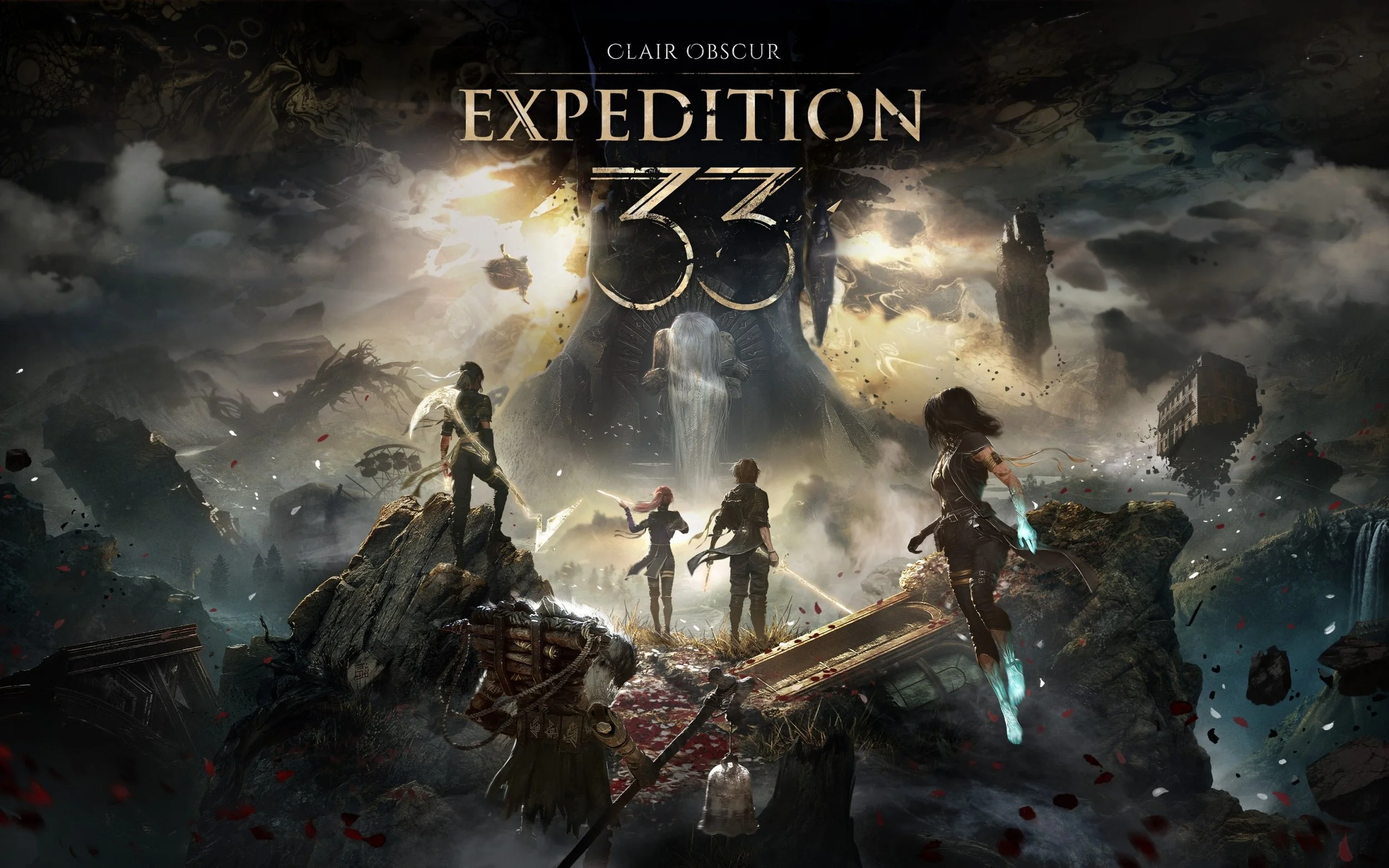
Image Credit: Sandfall Interactive,
Let the record show, I believed in this game from the start. Expedition 33’s opening 45 minutes is one of the best and most effective tone setters I’ve experienced in an RPG. A lot of times it feels like it takes hours for a game like this to get good but Expedition 33 starts off with the kind of artistic melancholy that just strikes a chord with me. The game gave me control and I just spent the first five minutes of game time listening to the music. Once I finally started I was treated to an opening sequence that can best be described as sobering. Suffice to say the game had me at that point. I think the cast of the game could have come out of screen and taken turns drop kicking me in the face and I’d still be compelled to see it through.
The way the gameplay comes together in this game is also really well done. It is a really well executed version of the Action Command flavor of turn based combat. It's probably my favorite take on that style of combat that I’ve run across so far. Something about the way the parries feel in conjunction with the massive damage output you can get on the counter attacks just massage my lizard brain in a satisfying manner. The sense of progression and the way the party members synergize with each other is also really well done.
Every party member also has a really intricate play style and most of them are pretty gratifying to use. Gustave’s loop is fairly straightforward. Do your regular attack to set up for the big overcharge nuke attack. Lune’s playstyle was a really cool take on an elemental mage. Each spell she cast would yield a token that could work to buff your next spell. It was a lot of fun to figure out what I wanted from each spell and what the best way to go about setting those spells up was. Sciel’s tarot cards were something I slept on for a lot of the game but boy did I feel like a fool once I realized how good they were.
Maelle was my favorite character to use, controversial I know. Her main mechanic is that she has three different sword fighting stances that she cycles through. The main objective while you play as her is to get her into the stance that yields the 200% damage bonus and keep her in that stance as often as possible. Once I got the rhythm of her playstyle down, Maelle became one of the enjoyable characters I’ve ever used in an RPG. Slapping enemies down with damage output the size of Jupiter never stopped being fun.
The cast of the game is equally as fun in the story as they are in gameplay. I really enjoyed the various dynamics present in the group. Gustave fills the role of the big picture guy pretty soundly. Lune is the mission focused and logical one. Sciel is the most calm and reasonable one. Maelle is symbolic of the future they are all fighting for. Characters like Esquie and Verso are introduced a little later and also provide their own fun wrinkles to the party dynamic. The interplay between all of the characters really does wonders to balance out all of the existentialism this game throws around. For every scene that confronted the status of humanity's future, there was always a scene of Maelle mocking Gustave not far behind and it always managed to put a smile on my face.
Expedition 33 is a very thematically rich game. It touches pretty naturally on themes such as : Grief, what it means to create, and confronting your own mortality. My favorite theme even after all this time to reflect is still the way it approached the idea of legacy. “For those who come after.” Is the motto of the Expedition and in a lot of ways the motto of the game. It’s meant to be an empowering phrase for the people fighting to stop The Paintress. But being on the other side of the story, you come to realize it's a double edged sword. For as much pressure as there is on the present to succeed or set the future up for success, there’s just as much pressure on the future to build upon what was left for them. Whether they asked for it or not.
1. Hades 2
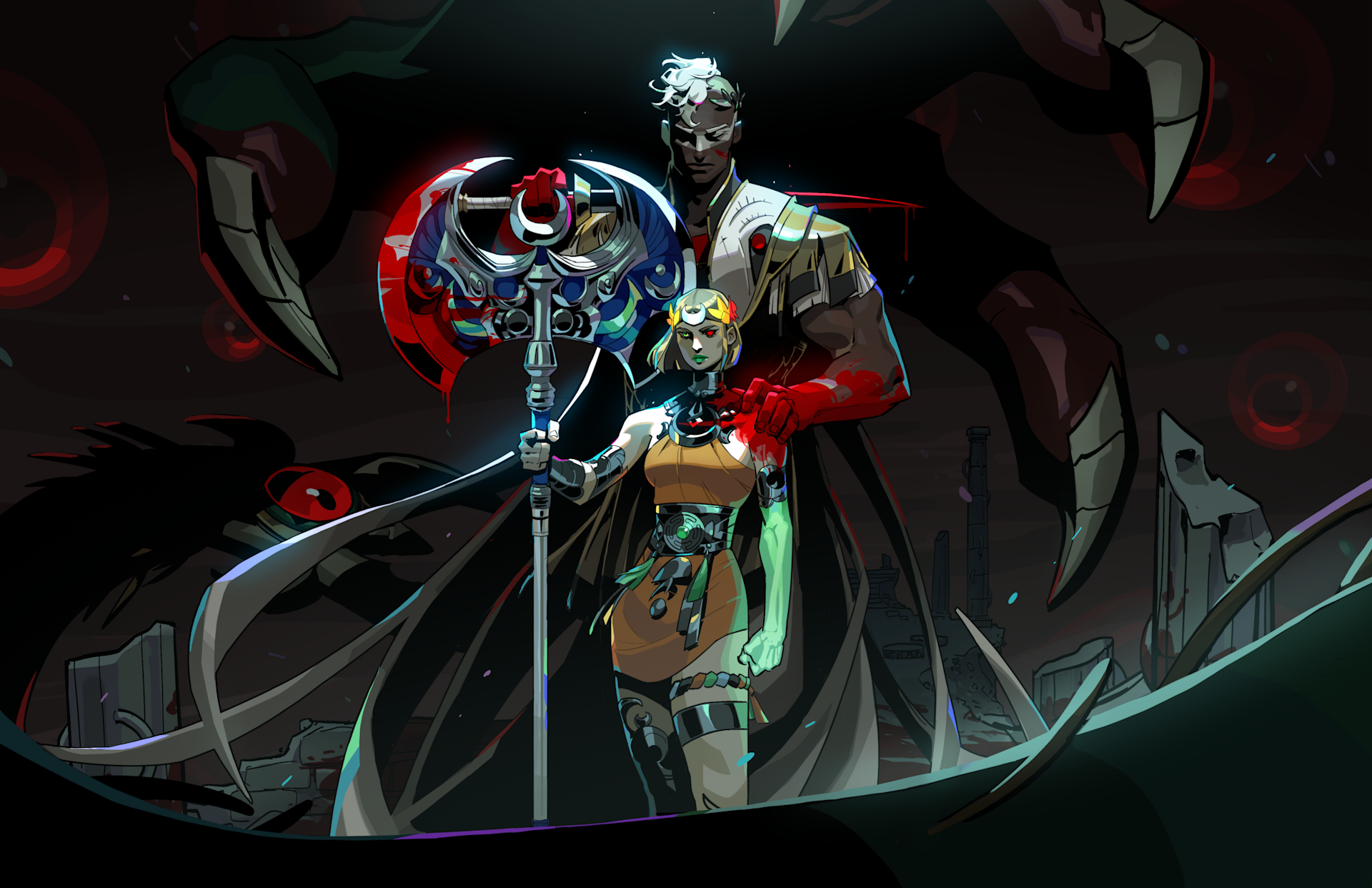
Image Credit: Supergiant Games
I turned Hades 2 on about a month after finishing it and putting it down. When I turned the game on I loaded into the crossroads and Artemis was singing. I just stopped to appreciate the feeling for a moment. In just a very short amount of time Hades 2 managed to invoke what was effectively the video game equivalent of coming home after a long weekend away.
This game just doesn’t stop being impressive. I already loved what the first game did with its gameplay. It was the game that opened me up to giving roguelikes a fair shake. Hades 2 takes all of what the first game was doing mechanically and turns it up to eleven. The changes to Melinoe’s kit go a long way to make the gameplay distinct from the first game from the jump. The new way the cast works along with the magic meter and the omega moves all add an impressive amount of layers in how you can approach a run.
Everything just really feeds into itself impeccably in this game. All of the weapons and their aspects are a delight to use. If I didn’t vibe with one the first time I used it, all it took was another time or two to get the hang of things. I got my first two clears of the game with the axe and the torches. At the time those were the weapons I thought I was the worst with. Everything being viable really made me eager to jump into another run with a different set up time after time.
The boons all really sing this time around too. They did a great job at refining how the boons interact with your moveset and fine tuning which boons play nice with each other as well. I loved finding my favorite combinations for what boons I liked with each weapon. As it turns out, you can cover for the Axe being slow by using Apollo’s boons to buff the daylights (Ha) out of its range. One of my favorite set ups that I landed on was the time I used the torches and just took every omega attack that was offered to me. Luckily I was able to compensate with a really good mana regen boon, but it was really silly to watch the meter go from full to empty to full again in the span of ten seconds. All while my attacks just melted through the opposition at that point.
My favorite weapon was the Sister Blades. The fast attack combo and the omega special attack were both very gratifying. I really liked each aspect as well. There was something very satisfying about having the standard Melinoe aspect maxed for a very high backstab bonus and just melting the first boss of the above ground route in the span of forty-five seconds. My favorite set aspect was definitely the hidden one though. The way that one goes about encouraging you to make deliberate use of every piece of your moveset made for a really engaging gameplay cycle.
I really appreciated being able to return to the world of Hades. The first game redefined how I imagine Greek mythology and now this game has colored in the picture even further. I think it works as a pretty solid companion piece to the first game. Humorously, it’s almost like the Iliad to the first game’s Odyssey. The first game was a more honed in character study and this game is a more grandiose and sweeping war story.
I really enjoyed the cast of this game. Both in regards to the new characters and the returning characters. I think Melinoe is a great protagonist and I think that her arc of being so committed to her task that she has to discover who she is when it's done is really well told. Hecate serves as a great mentor figure. She really pulls off the stern but fair kind of vibe. Nemesis and Eris were both different takes on embittered rival characters. Eris shows up to try and thwart Melinoe out of spite because she likes the chaos that Chronos and company are causing. And Nemesis constantly lashes out at both Melinoe and Hecate because she believes that she should be the one trying to take down Chronos. I also really liked Arachne as one of the dungeon NPCs. They did a really great job at portraying just how unfairly she was treated by the gods and how Melinoe was able to be better to her by just exercising basic decency.
The returning characters were also a lot of fun to see. It was really cool to see characters like Charon and Hermes have tactical advantages to the war effort. Seeing Skelly climb the metaphorical chain of command by adopting a new persona was hysterical as well. My two favorite returning characters were Artemis and Demter. It was really cool to see how much reconnecting with Persephone helped Demeter open up. At least to those she deemed worthy. It also added an extra weight to seeing her deal with Persephone being snatched away from her again. And Artemis just felt like she was Melinoe’s best friend throughout the whole time I was playing. She was the one member of the Unseen out there helping Melinoe as an equal rather than just supporting her from the camp, or testing her skills as her teacher, or having a bone to pick with her. She was just there helping out because her friend needed it. And anytime she’d be back at The Crossroads singing her song it made the camp feel even more like home than it already did.
Everything else about this game is as top shelf as it comes. The updated character designs go as hard as ever. And the new characters do not slouch design wise either. The soundtrack is something I wish I could inject into my blood stream. I want to be able to bottle the way the first fifteen seconds of Titan Of Time makes me feel and sell it. Anytime Moonlight Guide Us was playing back at camp I would spend at least ten minutes just sitting there listening to it. The way the game brings back and expands the leitmotifs from the first game is immaculate. I could go on forever. I will go on forever. This is a threat. Come back next year when I’m talking about how my GOTY for 2026 has a soundtrack that didn’t go half as hard as the OST of Hades 2.
My time playing Hades 2 was rather amusing in a way. I spent the first week and a half that I was playing it just kind of sandbagging my runs. I didn’t really care about winning, because I knew I’d just get to see more story and character interaction when I lost anyway. Eventually I beat Chronos that first time and it uncorked something in me. Suddenly I was “one more run”-ing myself four times a night. Suddenly the days at work started to feel a little bit longer. Heck, I even went and did the post game for this game. You want to know how many games I’ve done the post game for in my life? Maybe three. I have played so much of this game and I feel like if I were to turn it back on again, I could sink another weekend into it. When the game comes to Playstation sometime next year, you best believe that I will be singing this song again. The game over screen is right. Time can’t be stopped and I don’t want it to.
How funny is it that I described those scenes in Death Stranding as “having a chokehold on me” only to completely fall off my rocker at the end of that Hades segment? I usually don’t bother with a conclusion to these lists, but I think that observation makes for a funny post script. If there’s one thing to take away from video games in 2025, it’s that making the thing you want to make because you think it’d be cool works out every once in awhile. I hope more studios start to give that a shot. So you in 2026.